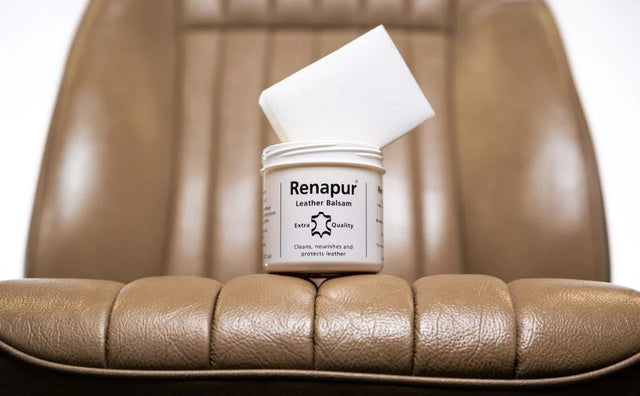
Leather that looks dry, faded or cracked has usually lost the oils that keep it supple. Most of it comes back with a proper clean and a thin coat of conditioner, but cracks through the colour layer will not heal. Here is how to restore dry, faded or cracked leather, and how to tell which problem you have first.
Quick answer: Dust it, clean it with a pH neutral leather cleaner, let it dry completely, then work in a very thin coat of a wax balsam such as Renapur Leather Balsam with a sponge and wipe off any excess. That brings back softness and depth of colour on dry leather and can soften the look of fine surface cracks. Cracks that go below the pigment, or colour that has rubbed off, need a leather repairer.
Why leather dries out, fades and cracks
Leather is skin. Heat, sunlight and air conditioning draw its natural oils out, and an Australian summer does that fast. Heat and sun are exactly what dries leather out, so if anything our weather is a reason to condition more often.
Once the oils go, the fibres stiffen, and every time the leather flexes the dry surface strains. Fine lines appear first, then deepen into cracks. Dry leather also looks flat and grey, which is why so much "faded" leather is really just thirsty leather.
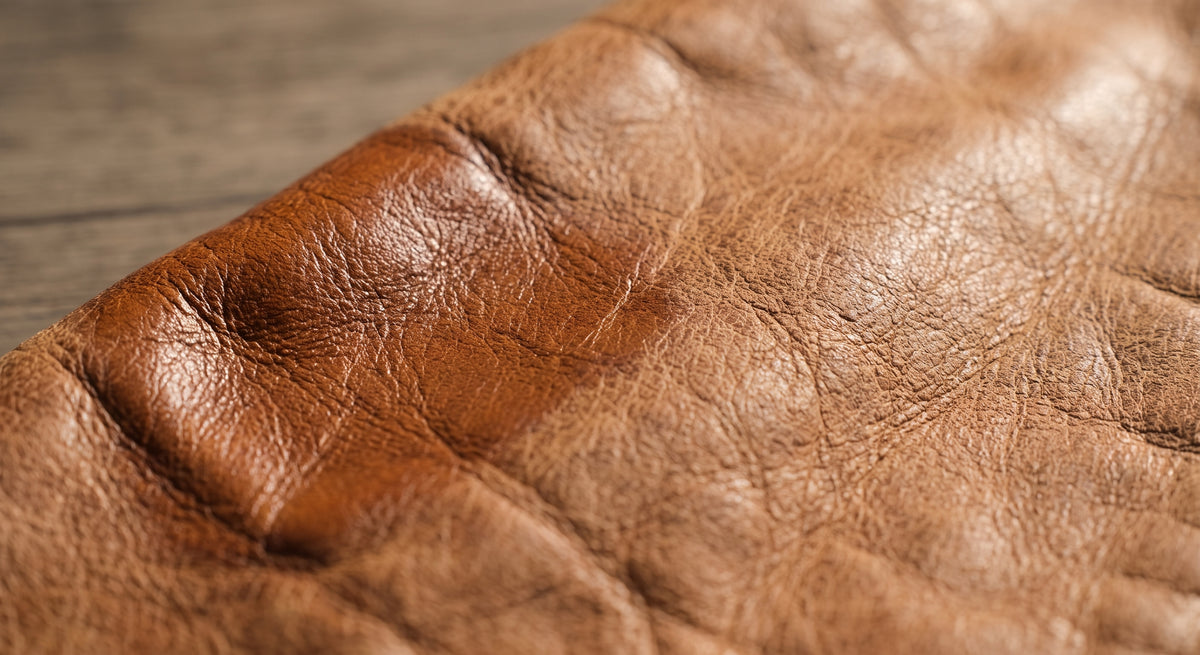
Dry, faded or cracked: work out which you have
Look at the piece in daylight. Each problem has a different fix.
- Dry: stiff or rough, dull, with fine lines that soften when you gently stretch it. The most restorable condition of all.
- Faded: lighter or patchy colour. If the leather is also dry, conditioning usually brings much of it back. If the colour has worn off, such as a bare patch on an armrest, it cannot.
- Cracked: visible splits. Fine crazing can be improved. Deep cracks, or colour coating that is lifting and flaking, cannot be fixed with conditioner.
Check the leather type too. Put one drop of water somewhere hidden. If it beads on the surface, the leather is finished and suits a balsam. If it soaks in and leaves a dark spot, it is unfinished (fully aniline, suede or nubuck) and Renapur Leather Balsam is likely to darken it permanently. Renapur also advises against using the balsam on patent, bonded or faux leather, because it cannot soak in and will sit on the surface. The guide on what you can use Renapur Leather Balsam on covers the full list.
What you need
- A vacuum with a soft brush head, or a soft horsehair brush, to lift dust and grit
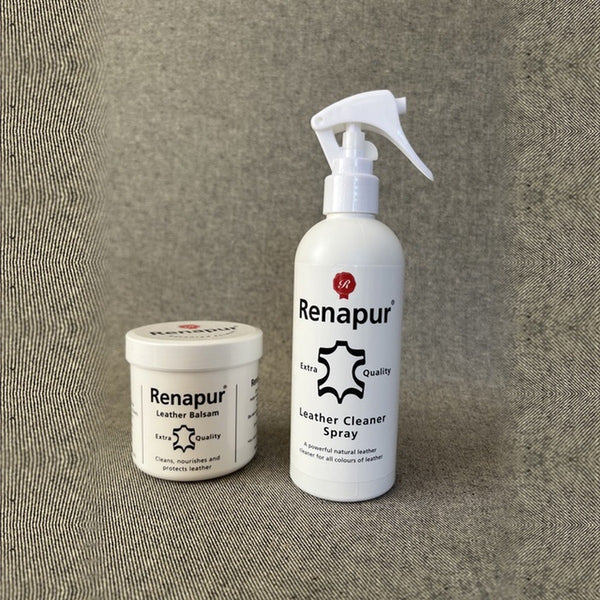
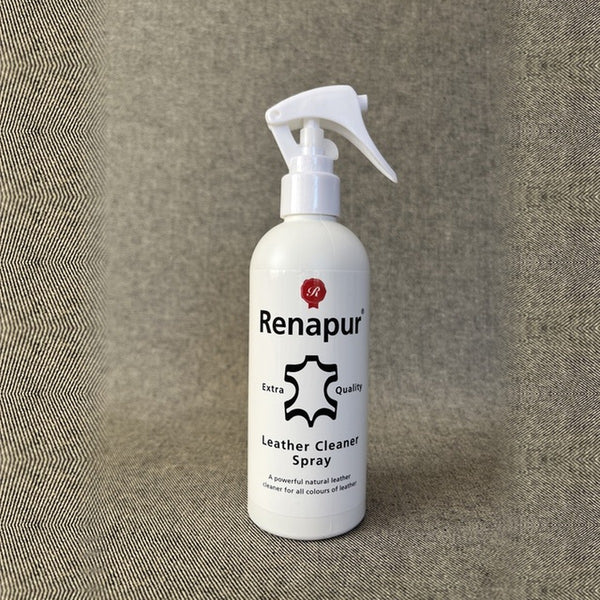
- A pH neutral cleaner made for leather, such as Renapur Leather Cleaner Spray
- Two or three clean, soft cloths
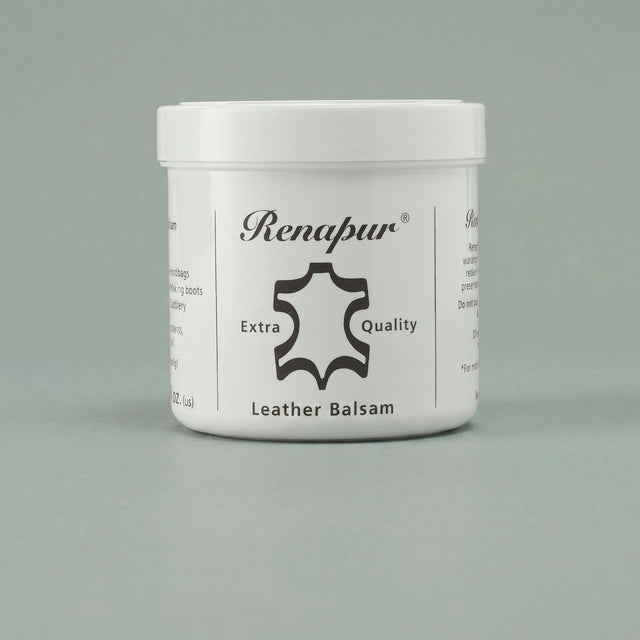
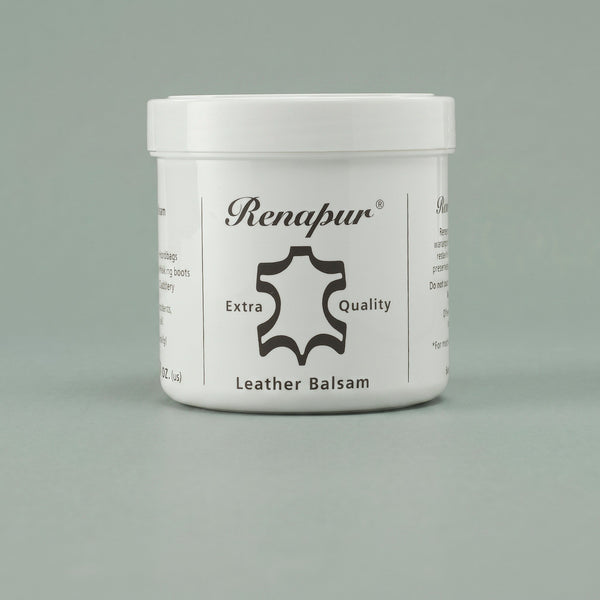
- A leather conditioner. Renapur Leather Balsam is a solid balsam made with beeswax, carnauba wax, jojoba oil and avocado oil, and it goes on with the sponge supplied
You can browse every size of balsam in the leather conditioner range, and the leather furniture care range if the piece you are restoring is a couch or armchair.
How to restore dry leather, step by step
- Patch test. Pick a hidden spot, such as under a cushion or inside a tongue. Apply a thin coat, let it dry fully (ideally overnight) and check it in daylight. If you are happy, carry on. If it is darker than you want, stop there. Our guide to whether Renapur darkens leather explains which leathers change colour.
- Remove dust and grit. Brush or vacuum the whole piece, seams included, so the sponge does not drag grit across it.
- Clean it. Spray the cleaner onto the leather or onto a soft cloth, and wipe. For dirtier areas, Renapur suggests leaving it for about 30 seconds before wiping. Work one section at a time, then let the leather dry completely, out of direct sun.
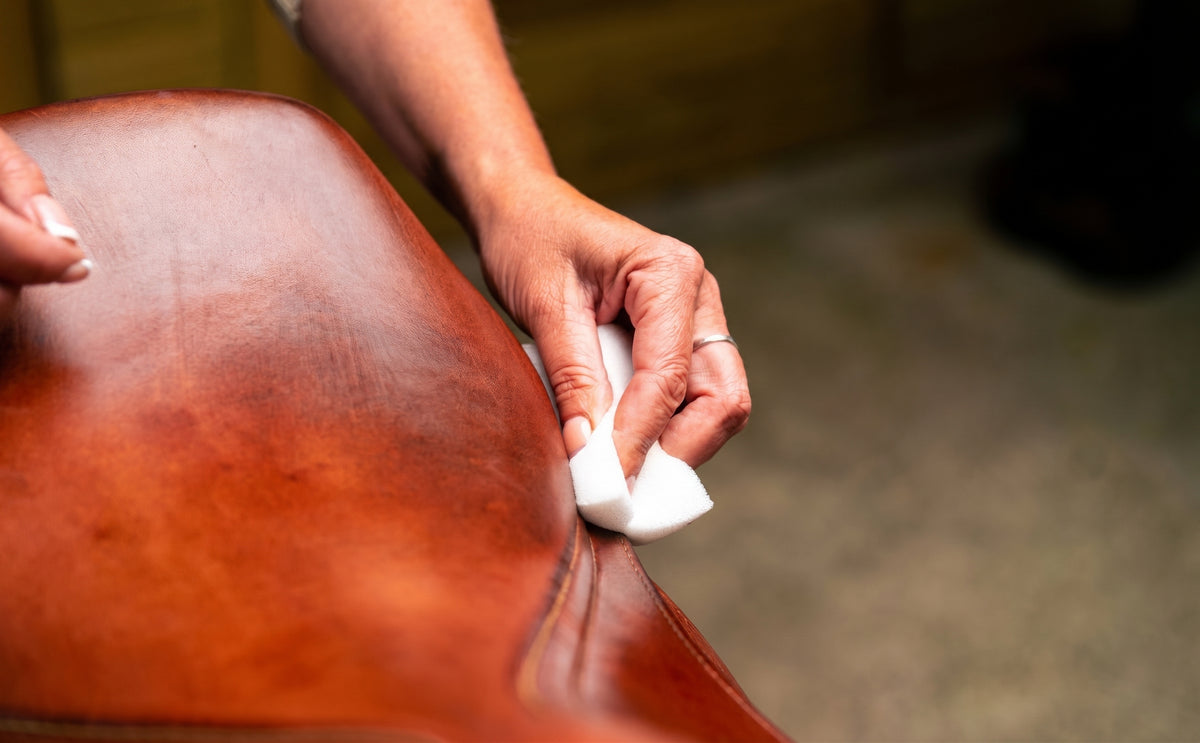
- Condition sparingly. Dip the sponge, then wipe the excess off on the side of the pot. Renapur's rule of thumb is that if you can see balsam on the sponge, you are using too much. Work it over the leather in small sections, covering all the surfaces.
- Wipe off any excess. Applied thinly, the balsam absorbs and dries within minutes and needs no buffing. If the surface feels sticky or greasy after a few minutes, wipe it over with a clean, dry cloth.
- Check it the next day. Look again in daylight. If one area still looks thirsty, give just that area another thin pass. Several thin coats always beat one heavy one.
For a full walkthrough on a lounge suite, see how to clean a leather lounge.
Restoring faded colour: what conditioning can and cannot do
Conditioning restores colour that has gone dull because the leather dried out. Feeding the oils back in brings back the richness, and on most smooth leather the change is obvious straight away.
Here is the part worth knowing before you spend an afternoon on it: conditioner is not dye. If the colour has rubbed off through wear, or the sun has bleached a strip along the back of a lounge, no conditioner will put the pigment back. Renapur Leather Balsam is colour neutral in normal use, so it will not tint the leather to cover a pale patch either. For worn-through colour you need a leather colourant or a repairer.
What to do about cracked leather
Renapur's help centre says many customers have used the balsam to minimise the appearance of cracks and scuffs. It is also clear about the limit: if the cracks have gone below the pigment of the leather, it is unlikely to help.
- Fine surface crazing: clean and condition as above. The lines usually soften and become less noticeable.
- Deep cracks: conditioning the surrounding leather helps stop them spreading, but the crack itself stays. A leather repairer can fill and recolour it.
- Flaking colour around the crack: go carefully. Renapur warns that rubbing with a sponge or cloth can cause more damage once the pigment coating has started to lift.
Do not try to fill a crack by piling on balsam. Extra product just leaves a greasy patch.
Keeping leather from drying out again
Restored leather stays that way with light, regular care. Renapur's general guide is:
- Sofas, armchairs and car seats: once or twice a year
- Handbags, wallets, belts and everyday jackets: every three to six months
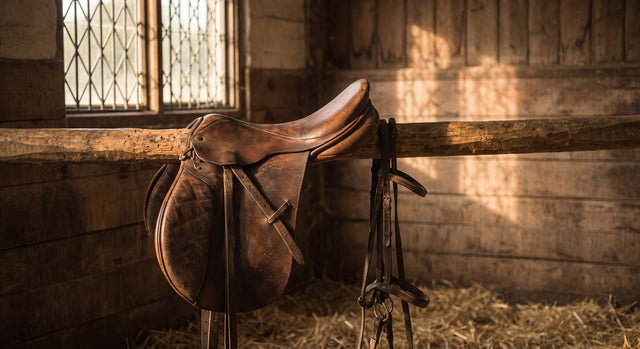
- Hiking boots, work boots, horse tack and motorcycle gear: every two to four weeks
Go by the leather as much as the calendar. Stiff, dry or no longer shedding water means a top up is due. Supple with a slight sheen means leave it. Residue in the stitching means you are applying too often. Keep leather out of direct sun and away from heaters and air conditioning vents.
Shop the routine
Keep reading
Where to start
Do the water drop test, then the patch test. If both look right, clean the piece, let it dry and give it one thin coat. You will know the same day whether a crack is cosmetic or a job for a repairer.
Frequently asked questions
Can you restore cracked leather?
You can improve fine surface cracks, but you cannot heal deep ones. Cleaning and conditioning softens the leather and can minimise the look of light cracking. Renapur says that if cracks have gone below the pigment of the leather, the balsam is unlikely to help, and those need a leather repairer.
Will conditioner bring back faded leather?
Yes, if the fading comes from the leather drying out. Conditioning restores the depth of colour on dry, dull smooth leather. It will not replace colour that has rubbed off or been bleached away, because conditioner is not a dye. Worn-through colour needs a leather colourant.
Does Renapur Leather Balsam darken leather?
It is colour neutral on most smooth, finished leather, but it can darken some leathers. Fully aniline, suede, nubuck and distressed leather are the ones most likely to go darker, and the change is permanent. Always test a hidden spot first and check it once dry.
What is in Renapur Leather Balsam?
Renapur lists beeswax, carnauba wax, jojoba oil and avocado oil as its main natural ingredients. It contains no solvents or silicones and is non toxic. Renapur has made the balsam in Britain since 1994 and does not publish the full formulation.