How often should you condition leather? It depends far more on what the leather does than on the calendar. Work boots that see mud and rain need it every few weeks, a garaged car's seats twice a year, and a lounge out of the sun about the same. This guide gives a starting point for each item, the signs that tell you it is due, and the signs you are overdoing it.
Quick answer
- Work and hiking boots: every few weeks to monthly with hard wear.
- Dress boots and shoes: every one to three months.
- Leather lounges and couches: about twice a year.
- Car seats: three or four times a year if the car is parked outside, twice a year if garaged.
- Saddles and tack: clean every week or two, condition whenever the leather looks dry.
- Handbags and jackets: two or three times a year.
In every case, condition sooner if the leather feels stiff, looks dull or dry, or has just been soaked.
Why there is no single answer
Leather stays supple because of the oils in it. Heat, sun, air conditioning, sweat, water and constant flexing all draw those oils out, and different items get very different doses. A boot creasing across the toe all day in wet grass loses far more than a lounge in a shaded room. Renapur's own FAQ notes that leather needs conditioning more often over an Australian summer, because heat and sun dry it out faster.
So treat the numbers below as a starting point, then adjust for how hard the item works and where it lives.
Leather boots and shoes
Boots usually fail at the flex point across the toe, where dry leather stiffens and cracks. Small, regular coats keep that crease supple.
- Work boots exposed to water, dust or mud: every few weeks to monthly. Renapur's help centre puts high wear outdoor gear at every two to four weeks, more often in a wet season or after heavy rain.
- Dress boots worn in town: every month or two with regular wear, every two or three months with lighter wear.
- Boots going into storage: condition them first, because boots dry out fastest sitting in a hot cupboard over summer.
- After a soaking: once they are fully dry, since water carries oils out on its way through.
Suede and nubuck boots are the exception. They never take a conditioner. Use a brush and a protector spray, reapplied about every six months or after a soaking. Our guide to caring for leather work boots has the full routine, and you will find what you need in the footwear range.
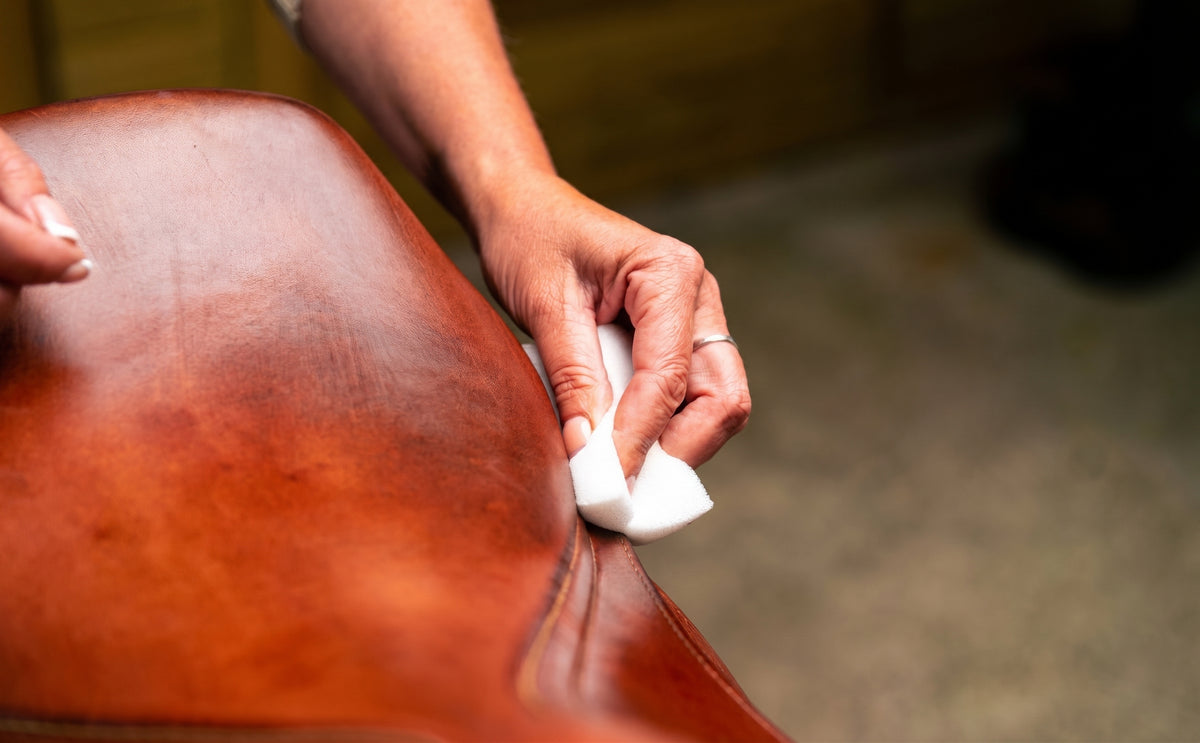
Leather lounges and couches
Twice a year suits most lounges. Condition more often if the lounge sits in direct sun, near a heater, or in a dry inland climate, and less often if it barely gets used. Indoor leather mostly loses its oils to heating, air conditioning and UV, so position matters as much as use.
Clean before you condition, and do it gently. Most lounge damage comes from harsh cleaning, not from use. Our step by step guide on how to clean a leather lounge covers the method, and the furniture range has what you need.
Leather car seats
Car leather has a harder life than furniture. A car parked in an Australian summer gets very hot inside, and sun through the glass, sunscreen, sweat and denim all add wear. As a guide:
- Parked outside: three or four times a year.
- Garaged: twice a year.
- Any car: sooner if the seat feels dry or the colour looks flat and grey. The driver's side bolster usually goes first, so check it.
On perforated seats, put the product on the cloth, never directly into the holes. See how to clean leather car seats, and the automotive range.
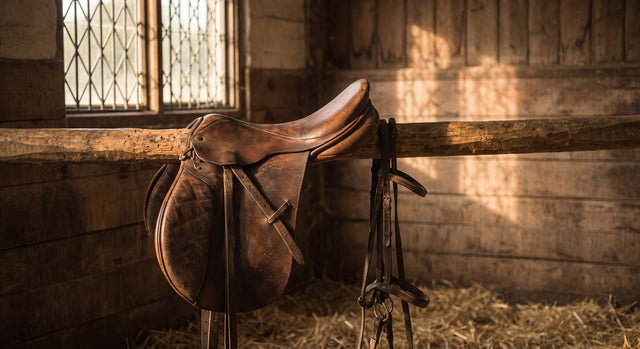
Saddles, bridles and tack
Tack works harder than almost any other leather. Salt in sweat draws moisture out, and red dust is abrasive. Stirrup leathers, girth straps and reins usually suffer first.
- After every ride: wipe off sweat and dirt with a damp sponge.
- Every week or two: take it apart, clean each piece and let it dry away from direct sun.
- Whenever the leather looks dry: a thin coat of balsam on both sides, worked into folds and holes. For tack in regular use, Renapur's help centre suggests every two to four weeks.
Keep balsam off suede seats and knee rolls. Browse the equestrian range for saddle and tack care.
Handbags and leather jackets
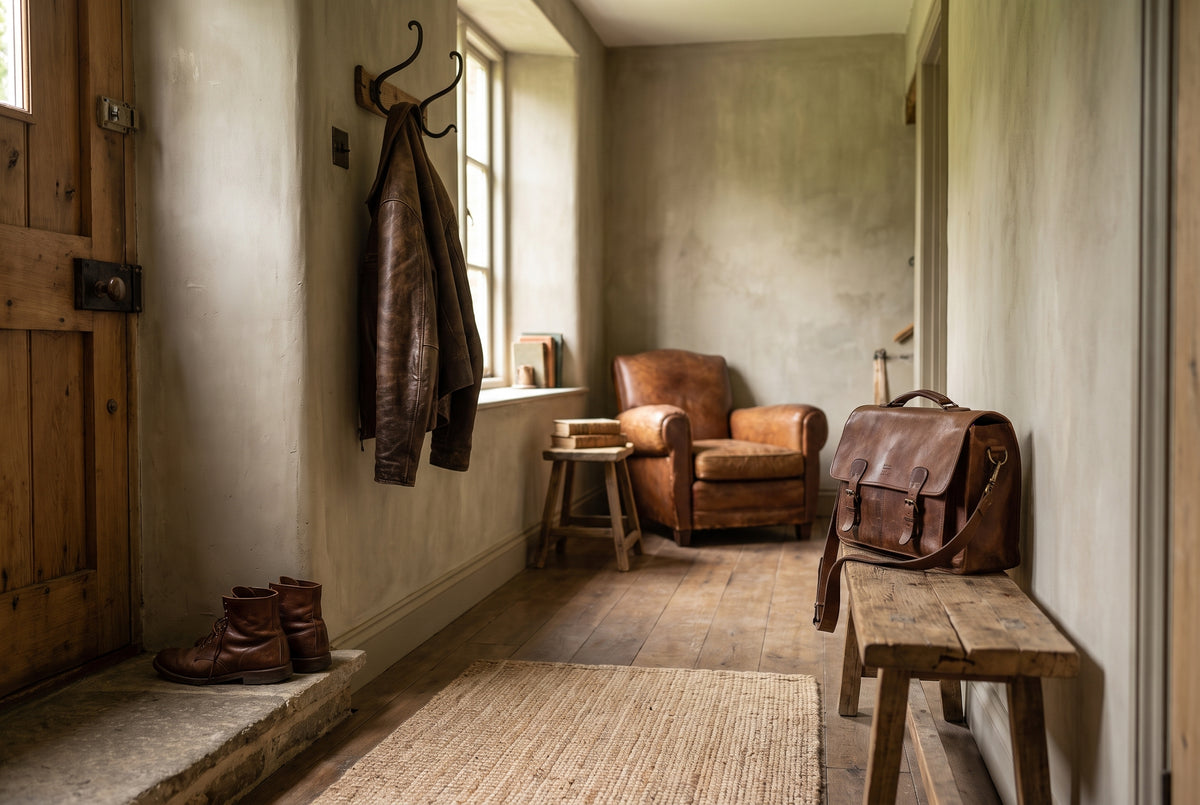
Two or three times a year, or whenever the leather feels dry. Renapur's help centre gives a similar range for everyday accessories such as bags, wallets, belts and jackets: every three to six months, or when the leather looks dull or picks up minor scuffs. The elbows, cuffs and collar of a jacket and the handles of a bag need it most. Check the leather type first, because fully aniline, patent, suede and nubuck should not take balsam. Browse the fashion range for bags and jackets.
Signs it is due, and signs you are overdoing it
The leather tells you more than any schedule.
Time to condition:
- It feels stiff or rough rather than supple.
- It looks pale, dull or dry, or the colour has gone flat.
- Water soaks in instead of beading on the surface.
- Fine surface lines are starting to show at the creases.
Leave it alone:
- It still feels supple with a slight sheen.
- It feels sticky or greasy after conditioning.
- Residue is building up in the stitching. Renapur's help centre says that is a sign of applying too often.
This is the caveat worth knowing: more conditioner is not better. Thin coats, little and often, beat one heavy application, and if you can see balsam on the sponge you are using too much. Conditioning also cannot repair leather that has already split. It slows fine cracks and keeps leather supple, but once a hide has cracked through, no product fixes it.
Shop the routine
Keep reading
Where to start
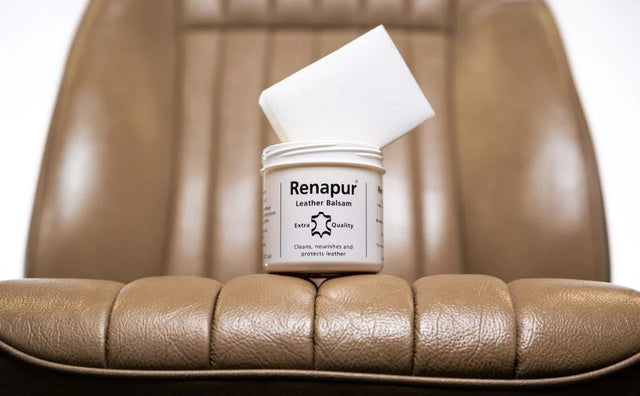
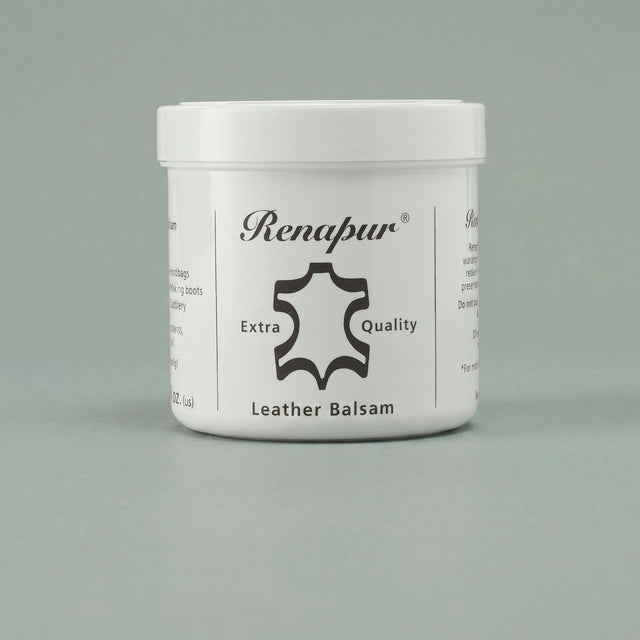
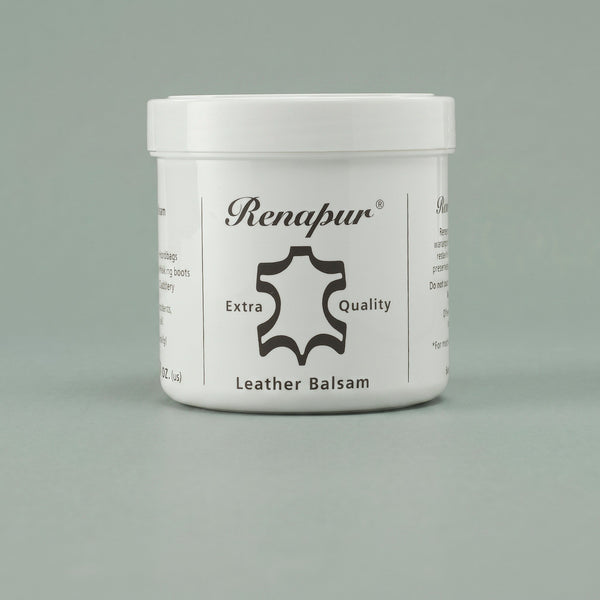
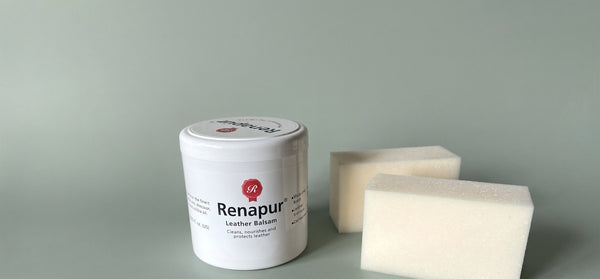
Pick the item that works hardest, usually your boots or the car, and give it a thin coat of Renapur Leather Balsam this week. Test a hidden spot first. Then put the next date in your calendar using the guide above, and adjust it by how the leather looks. Every size is in the leather conditioner collection.
Frequently asked questions
How often should you condition leather?
It depends on the item. Work boots need it every few weeks to monthly, car seats two to four times a year, lounges about twice a year, and bags and jackets two or three times a year. Condition sooner whenever the leather feels stiff or looks dry.
Can you over condition leather?
Yes. Too much conditioner leaves leather sticky or greasy and builds up in the stitching. Use thin coats and wipe off any excess with a soft cloth. If the leather still feels supple with a slight sheen, it does not need more yet.
Should I condition leather more often in summer?
Yes. Renapur notes that heat and sun dry leather out, so items exposed to them, such as boots, car seats and lounges in direct sun, need conditioning more often over an Australian summer.
Do I need to clean leather before conditioning it?
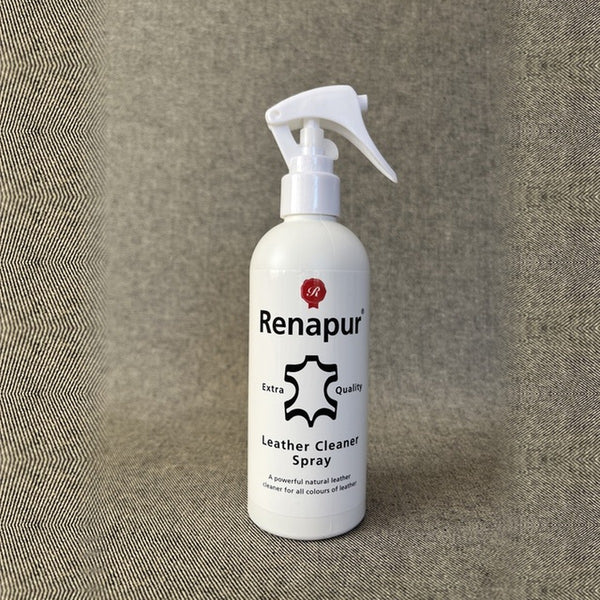
It is not required, but it gives better results. Conditioner takes better on clean leather, and cleaning first stops you working dirt into the surface. Use a pH neutral leather cleaner, let the leather dry, then condition.
How often should I condition suede?
Never. Suede and nubuck should not take a conditioner, because it darkens and flattens the nap. Brush them regularly and use a suede protector spray, reapplied about every six months or after a soaking.
How long does a jar of leather balsam last?
A long time, because you use very little. Renapur estimates a 200ml jar covers around 500 pairs of shoes, 50 jackets or 20 leather sofas, depending on the leather and how thinly it is applied.